In this modern era, your credit score is crucial to determining success in various areas. Whether it is obtaining a loan, renting an apartment, or even getting a job, your score will be significant. But, what is credit, and what has a credit score come to be? The focus of this article is to explain what credit is, how it is derived, and above all, how to increase it.
What Is Credit?
Credit is the ability to borrow funds or obtain goods or services under the understanding that the amount will be paid subsequently. Ultimately, the amount of money a lender is willing to loan you is covered under this concept.
Types of Credit:
- Revolving Credit: There is a certain dollar amount that can be borrowed and paid back over time, and within that, a lender has no ability to set an upper limit on the amount of money that can be borrowed. The most prevalent is a credit card.
- Installment Credit: An example of this would be a loan that is taken for a specific purpose, and the borrower pays a pre-determined amount of money every month for a specific duration.
- Open Credit: These accounts require you to pay the amount in full every month, to the exclusion of borrowing money for the future. An example of this would be utility accounts like electricity.
Why Credit Matters:
Credit is one of the things you have to check on wherever you go on your life path. Whenever a landlord, lender, or other people wish to understand your ability to repay your unpaid dues, your credit health is one of the things they consider. Credit is so conditional, meaning, you either get credit on poor terms, or get credit at all.
Understanding Credit Scores
What Is a Credit Score?
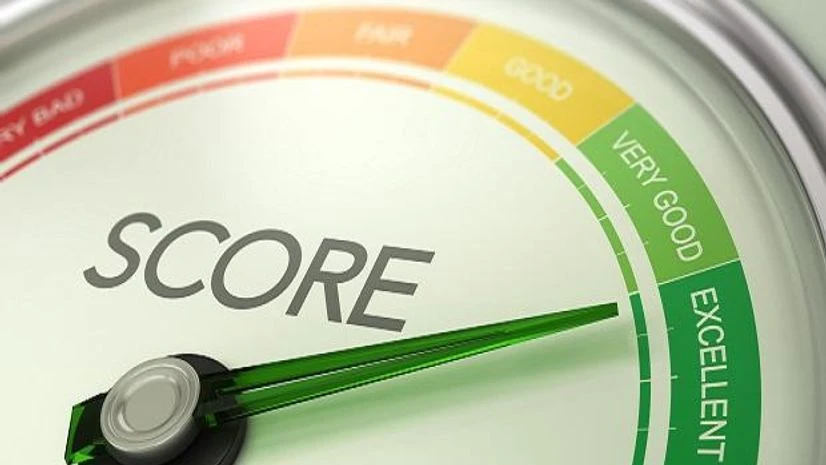
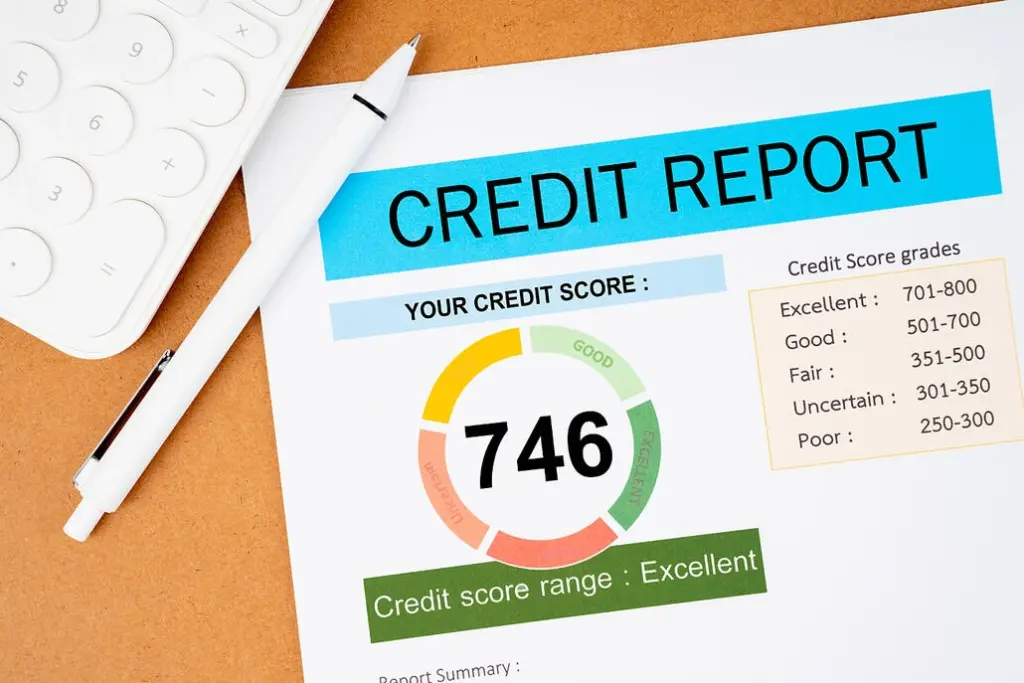
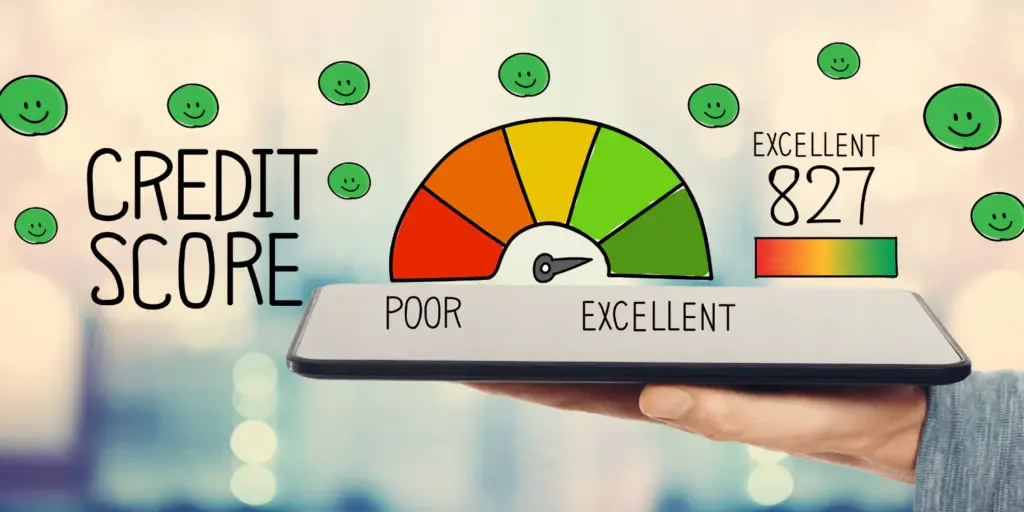
Your credit score is an automated number that is a representation of your worthiness as a borrower. Based on the financial history of a person, the score signifies how probable it is that a person will be able to honor a given loan, therefore determining the terms of the loan.
Range of Scores:
- Excellent (701+)
- Good (501-700)
- Fair (351-500)
- Uncertain (301-350)
- Poor (250-300)
How Credit Scores Are Calculated:
- Payment History (35%): Paying what you owe on time will increase your score, while late or missed payments hurt it.
- Credit Utilization (30%): The ratio of your credit card payments to the overall credit balances.
- Length of Credit History (15%): Having an established credit line is a advantage.
- Types of Credit Used (10%): Having a balanced credit profile and accounts can help your score.
- New Credit (10%): Having a lot of newly established accounts can lower your score, even if it is temporarily.
Why Your Credit Score Is Important
Impact on Loan Approval:
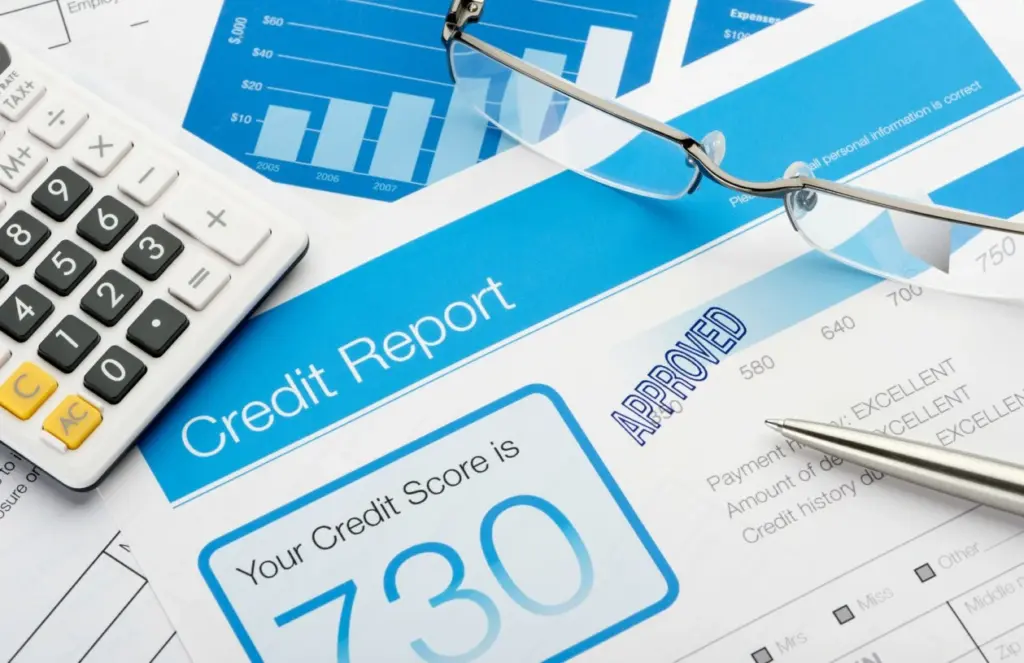
Lenders analyze different factors when evaluating someone’s credit application, including the credit score. If the score is too low, there is the possibility of denial of the loan, and on the other hand, higher interest rate becomes probable.
Better Interest Rates:
Considerable savings can be made on a loan if lowered interest rates are offered. For example, an individual is likely to access a mortgage with a better interest rate if their credit score is high.
Renting and Employment:
Some employers and most landlords tend to verify credit scores as a means of gauging a prospective tenant or employee’s trustworthiness. Poor score, in this case, could pose a challenge in getting a job as well as renting an apartment.

Insurance Premiums:
Insurance companies in many states use credit scores to determine premiums. A poor credit score can lead to higher premiums on auto or home insurance.
How to Improve Your Credit Score
Pay Your Bills on Time
Your payment history is 1 of the 5 pillars that make up a credit score. Paying bills on time is the simplest mistake to avoid that is likely to lower your chances of getting a high score.
Tip: Set up automated systems that will help you pay your bills on time.
Reduce Credit Card Balances
Credit use, or the amount of credit you have available to use, is the most critical factor in determining your credit score. It is best practice to keep your credit utilization under 30%.
Tip: Credit cards with higher balances should be paid down first. Most credit card providers want to extend lines of credit with a minimum utilization rate of 30%.
Avoid Opening Too Many New Accounts
The newer accounts you open, the more the hard inquiries you have on your credit report, which reduces your score. Each hard inquiry signals to lenders new credit which increases your risk factor.
Tip: New credit should not be applied for unless it is most urgent. Spacing your applications, for whatever new credit you do need, is of utmost importance.
Check Your Credit Report for Errors
Incorrect late payments, wrong accounts, and erroneous report patterns can cost you points. Thus, periodically reviewing your credit report and credit file becomes very important.
Tip: Each year, you can request a free report from each of the three bureaus: Experian, TransUnion, and Equifax.
Keep Old Accounts Open
The age of your accounts is part of the factors that determine your score alongside the length of your credit history. Credit history length is weighted 15%. Closing accounts, especially old ones, lowers the average length of your credit history, which can hurt your score.
Tip: The ‘age’ of your credit accounts helps, even if infrequently used, and contributes to your credit score even if used lightly.
How Long Does It Take to Improve Your Credit Score?
Credit scores, like many things, take time to build and accounts do not improve overnight. Each credit score is unique; late payments and high balances and etc configured can take a few months to several years to bring worthwhile change.
Tip: Allow time for your score to build, while remaining consistent with good habits. Pay down debts, and keep your payments timely; your credit score will improve over time.
Conclusion
The impact of your credit score on your overall financial situation is undeniable. It influences whether you qualify for loans and even how much you pay for insurance. Improving your score takes time but is achievable with the right knowledge and actions credit maintenance. Most importantly, it takes steady effort and commitment. Make it a habit to pay your bills, decrease your overall debt, and review your credit report for inaccuracies. It may seem trivial, but the financial improvements you reap in the future will be significant.